


It’s summer time! Music is playing, family vacations are happening, grills are fired up, and the A/C is blowing to cool us down in the smoldering summer heat. But what if your A/C goes out or doesn’t cool properly. How would that impact your quality of living or social life overall? Sure we can cope with it; open a window or turn on a fan (or put a fan in the window like we did growing up without central air sometimes) but would it have a negative impact on the experience especially if you’re hosting a gathering or event?
Short answer, YES! It would definitely be challenging as we can be distracted or irritated easier if we’re hot, fanning ourselves, and wiping away sweat beads from our brow. Even if the temperature is tolerable, some instances we need to adjust the thermostat to make sure everyone in attendance is as comfortable as possible.
For instance: meetings, social events, work functions, and departments as a whole, may need a temperature check to ensure comfort levels are where they need to be for a good experience and productive environment. Though everyone may not like where the thermostat is set, getting feedback from participants or employees is key in finding where the temperature is most comfortable to maximize efforts.
This can help boost morale, productivity, and enjoyment overall. At the workplace, permitting fans and/or jackets on the floor can help with issues with temperature. (I’m sure facilities would appreciate consistency in where the thermostat is set to help find common ground as well).
I prefer it cold myself as I deal with anxiety and am often hot. I had a personal fan in my office to help with that. But dealing with temperature literally and figuratively in a department can help identify concerns that need to be addressed. Looking at the temperature as employee satisfaction and position on the department, and the thermostat as our department culture and how we develop it, can help us create the best plan of action to regulate them properly.
What are your employees talking about on the floor and amongst their peers? Doing a temperature check by having focus groups, team meetings, and one on one discussions, can help provide solutions (within the means of policy and protocol) to address the problem(s) employees may have.
Some employees may start out hot and now are cold, other’s may start out cold and don’t know what they need to do or are challenged to get hot (meet or exceed expectations consistently). As leaders, it’s up to us to identify how we can adjust the thermostat (training, department culture, communication, individual performance) to ensure our employees are comfortable and prepared to be successful as possible at their jobs or careers.
Though mainly used for business strategy and planning, a SWOT analysis (Strengths Weaknesses, Opportunities, Threats) can help identify a plan of action for your company, department, and individual employees. When I’ve conducted interviews or did interview prep for my employees or potential candidates, one of my questions dealt with their strengths and weaknesses. Here’s a closer look at a SWOT analysis to give you some ideas:
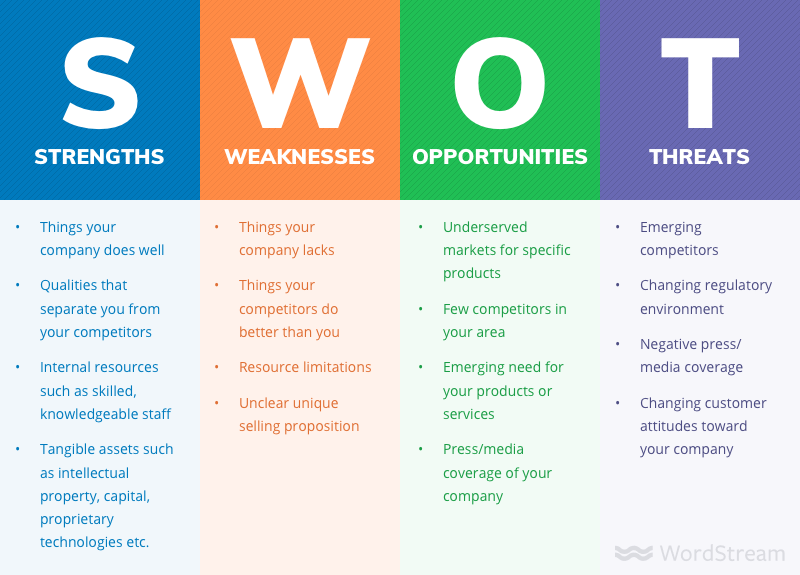
Using a SWOT analysis can help with planning and positioning our company or department for continued success. Another method of analysis is the be STAR method (Situation, Task, Action, Result). This is used more for interviews and assessing prime candidates for a job. However, it can be used to learn behaviors and get a better vantage point of the department.
I would incorporate situational based questions to learn behaviors and get an idea or understanding of how my team members viewed the job/department. I also used this method to better identify if a candidate was qualified for a specific job. Though this approach is mainly for interviews and interview prep, having employees run through situations that are pertinent to their job, can help them garner a better perspective on the position. Employees are typically goal oriented or goal driven.
Whether it’s making more income, getting promoted or a bonus they wanted, setting clear goals can help with adjusting the thermostat for their comfort level. It can also help them utilize their strengths and overcome their weaknesses more proficiently. Communication and department culture is another effective way to adjust the thermostat to a comfortable level that yields results. In most business sectors, change is constant. How we communicate and execute change is vital to the temperature or impact on the department and company overall.
If employees aren’t happy or are uncomfortable with the change, look for ways to create opportunities with it. Incentives, delegating team leads, and having team members cosign the change, can assist with shedding positivity on it. Also look at creating different jobs or tasks employees can qualify for based on performance. A lot of times employees look at managers or supervisors as just an authoritative or parental figure, so the message may not sink in right away from us, and that’s ok.
It may be more effective coming from a peer or another leader that understands the vision and has good rapport with them. Either way, allow your employees to vent, provide feedback, and genuinely care about their concerns by looking at what we can do to address them. Sometimes feedback may not feel good to hear but is necessary for growth.
Some feedback can cut us, but if the shoe fits wear it and walk towards improvement. It may also need to be taken with a grain of salt depending on the grievance and if they have something personal against you. But do a self-assessment to see if you can improve your perception and rapport as perception can be reality that is hard to change for some. So when is a good time to check the temperature of your department and possibly adjust the thermostat? Below are 6 scenarios on when we should check the thermostat in our department:
1. When you hear the grumblings on the floor about dissatisfaction throughout the department. Lunch, water cooler talk, team meetings, and one on one coaching sessions, can help determine the temperature of an employee and/or department. Be cognizant of what they’re saying! Even though it may not be what you want to hear.
2. When overall performance is struggling or impacted. You may have a rock star team who’s metrics and attitude has been on the decline for the month. This could be due to new process changes in the program, or personal challenges. It’s up to us to have open dialogue about it. Getting to the root of the issue can help us identify a plan of action from there.
3. When employees were once exceeding expectations/metric goals (hot) but now are missing the mark consistently (cold). This goes back to having dialogue or discussion with team members who are having challenges. What’s the behavior? What changed since they were meeting goal? How can we best assist them with their concern(s)? These are questions we can ask to help pinpoint the reason for the decline in performance. It also may just be an off month, which we all have. It may be burnout as well, so looking at options to help with time off could be beneficial.
4. When there’s consistent feedback on how a process or policy is negatively impacting morale. We’ve dealt with this in our department regarding mandatory overtime. NO ONE likes being told they have to do something or else. Even when leaders try to soften or filter the change or message from upper management to employees, if there is an ultimatum attached, it’s hard to convey the message with good results or reception. This puts employees in a position to feel forced to work, when they intended to be off at that time.
It also puts leaders in a position to deal with direct negative feedback and attitude (we can handle it for the most part). But some employees love working overtime! Focus on them. However, when overtime is offered, and no one signs up, that can present issues with the business and workforce management. Employees need to realize and understand this as well. Try to highlight the positives in this scenario: more money for savings or upcoming events, only a few hours are required, incentives like gift cards, points reduction, or free days can also help soften the blow.
5. When improvement is made and we want employees to continue to stay the course. After hearing feedback from employees and leaders, it’s time to review what’s feasible to implement right away. Once we see improvement in morale, performance, and work-life balance, we then want to make sure we stay on that trajectory. Checking metrics, morale, and motivation in team meetings and coaching sessions, is pivotal to the continued success of our improvement.
6. When morale is boosted but feedback is still needed to continue fostering a department culture of positive reinforcement. Small motivation boosters: high fives, fist bumps, encouraging words, highlight performance, shout outs, friendly competition, can help motivate employees to make high performance standardized. Daily check-ins can help build confidence and encourage employees to grow in the company and department as well.
Remember it’s up to us as leaders to check the temperature and thermostat as often as needed to ensure the success of our company and department as a whole. And though sometimes we want to ‘set it and forget it’ or get busy with daily tasks and overlook it, or can’t check it consistently, making sure we check as often as possible can help cultivate a department of motivated leaders and employees and better regulate the comfort level. It can also improve performance and morale overall. Let’s do our best to adjust accordingly!


 Not Your Average Boss