
When we talk about ratios, we typically use them when discussing debt to income or social media regarding likes vs dislikes or comments. But what about our ‘say-do’ ratio? How well are we doing here? The things we say we’re going to do but never seem to get around to due to other obligations or challenges that may come up.
Or the things we say and do on a consistent basis to help us obtain our goals in the long run. Which side of the spectrum are we mostly on when it comes to this? Granted, this isn’t as cut and dry as a ‘debt to income’ ratio as that deals with numbers and how well we budget.
But are we staying consistent when it comes to doing the things we set out to accomplish? I asked myself this question after listening to a message from guest Pastor Chad Veach during church service. The message was titled “Heartbreak Hotel” and dealt with us finding hope even in the midst of past failures and pain.
He also has a book titled “Help! I work with people,” dealing with leadership, influence, and people skills. His message really struck a chord with me and the question he posed about “how good has our say-do ratio been” inspired this blog entry.
With different variables to consider (timing, planning, unexpected events) it can be challenging to determine realistic goals and practical applications that yield results. These variables alone can impact how well we operate regarding our say-do ratio and if we have set goals or aspirations that haven’t come to fruition. But as the old adage states ‘Actions Speak Louder Than Words‘ and what we do is more important than what we say, even though what we say can still be impactful.
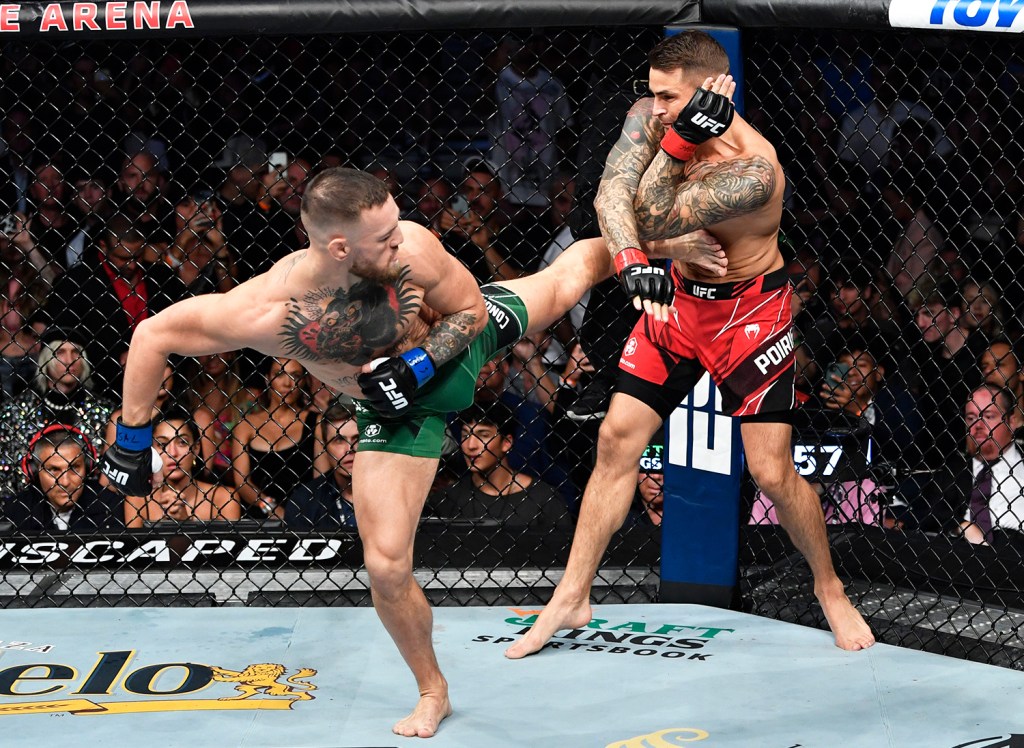
Take UFC superstar Conor McGregor for example, he recently had a rematch with another great MMA fighter Dustin Poirier and injured his leg in the first round (CNN). Other great fighters have suffered the same fate fighting in the octagon (Chris Weidman and legend Anderson Silva is a good example as well). While training, the focus is to go into the match and execute the game plan.
Thinking they would lose or get injured was not on the radar, but they go into every match looking for the win. Conor didn’t go into the fight thinking he would break his leg, he went in saying and believing he would win and defeat his opponent, however, the variable of injury thwarted his plans.
The journey of a fighter is paved with a lot of challenges: hours of training, literal blood, sweat, and tears, physical and mental conditioning is what they put themselves through to win, which can be grueling to go through.
Talking trash in press conferences and/or weigh-ins is also a part of mental conditioning and a part of the allure of the sport. Saying you will beat the other opponent and actually doing it the way you said, creates bravado and momentum. With that momentum comes a sense of pride, confidence, and achievement that can garner respect and accolades from that community.
It can also have an impact on your level of influence in that market or arena. This brings more fame and fortune to those whose W’s outweigh their L’s (for the record I’m not saying be consistent at slapping/hurting people or something negative). But it’s important that we learn from both our wins and losses for personal growth, development, and to improve our say-do ratio all together.
Whether you compete in mixed martial arts, boxing or other sports with less contact like basketball or baseball, injuries are a variable that athletes and coaches take into consideration during practice, training, and live events. However, they still go into every match with getting a win (usually in grandiose fashion) in mind.
Their win-lose or say-do ratio is important to their legacy and what they leave behind after retirement (I’m sure Floyd ‘Money’ Mayweather can attest to that). Saying you’re going to do something and then accomplishing what you set out to do, feels great! The journey to get there doesn’t feel as great but is vital to consistently walk in our purpose and complete our goals, one step at a time.
Just like a fighter can talk themselves into a win or greatness (the late great Muhammad Ali is an awesome example of that) we can talk ourselves into accomplishing our goals and aspirations as well. Going back to my younger days (I’m still young by the way, he writes laughing out loud) doing what I said was important to me, especially when I competed in sports.
Though I wasn’t the greatest athlete, I had potential and was the starting running back for my team in high school as a freshman. I also racked up wins and had a winning record on the JV and Varsity wrestling teams. I talked smack and pumped myself up before every match. I set out to score touchdowns and win matches, and I did!
Mainly for bragging rights and to show off for girls. I didn’t win every game or every match though, but my success rate was above my personal average at that time. My wins were higher than my loses which gave me more motivation to compete. Knowing what success means or is to us can be an important measuring tool regarding our goals and how close we are to meeting them.
During that time, my ‘say-do’ scale tipped closer to consistent than inconsistent, success than setback, which in turn gave me more motivation to keep setting and reaching goals. The little wins led to bigger victories along the way. It fueled the fire I needed to keep doing what I said I was going to do! This helped when it came to discipline as well because I trained myself (just like a fighter) to have mental toughness to overcome the odds or challenges that came my way.
Trying different things like sports or hobbies can help us identify passions; however, having direction and a clear path to our definition of success, can help us stay consistent in reaching our goals and sustaining our proficiency. But sometimes we can fall into complacency and self-doubt when things don’t turn out the way we wanted or expected them to. This can hinder our growth and leave empty promises, goals, and dreams on the table or unfulfilled.
This mindset or state of being can be more crippling than fear itself. I remember when I watched a football game where one of the players took a brutal hit and had to be carried out on a stretcher. Before I witnessed that, I was fearless on the field. Afterwards, I tensed up every time someone was close to hitting me. I was fearful, and you can’t be afraid when you play football or any contact sport as you put yourself at risk of being injured more frequently.
Needless to say I wasn’t the same after that as it took a toll on my mindset dealing with football, a sport I love. I felt defeated and felt like I wasn’t good enough in a lot of aspects of my life because of it. Then I tried out for wrestling and started to excel there. Though I got injured in wrestling my first year, I didn’t let that stop me from training hard to win.
I even had aspirations to wrestle in college but decided to go into the military instead and believed God had other plans for my life. But I was able to bounce back from the injury and do what I set out to do while I was on the team. Have a winning record!
You may have an event or setback that’s crippling you from moving forward and having a high success rate regarding your say-do ratio. You may also have real issues or challenges you’re working to overcome as well. Picking up where we left off, regarding goals, dreams or aspirations, can jumpstart our motivation again.
I went back to school to get my bachelor’s degree in organizational leadership after taking a break for a while. It was something I wanted to do and said I would accomplish eventually. I was working while going to college on campus and online.
I wasn’t the greatest in school, but excelled in college and graduated with honors! This had a lot to do with my desire to achieve this degree. Some things happen in certain seasons and times in our lives and not immediately after we say them. Matter of fact, most things we accomplish are reached WELL after we say it or after we set out to do it.
Though we can’t get that time back, time can be redeemed once we realize what we want to do, and when we make consistent/concerted efforts towards it (having family or friends keeping us accountable can help too).
Revisiting ideas, goals, and passions can also help us stay on track towards doing what we said we want to do. We improve our say-do ratio by setting realistic goals, writing the vision and why it’s important, and doing our best to stay consistent/accountable with doing what we say. When I was a coach before getting promoted to a total case specialist, I wrote down overall goals for my team and helped identify individual goals of team members.
This gave me insight on how to best coach my team and set them up for continued success. When I was distracted by everything else that came with the job ( a lot of admin work, putting out fires, and being a sounding board for performance and personal concerns) I was able to come back to my goals due to a road map for success I created. This road map consisted of job expectations, company goals, personal goals, and practical steps to achieving them.
Trying different approaches to leadership can help us map out a course of action that is most beneficial to our productivity. When I said I would buy lunch or have a potluck just because or due to reaching a performance goal, I did it. When I said we would celebrate our wins on the floor so peers would know we had the best team in the building, I did it.
Even when we started to work from home due to the pandemic, I did what I could to set the tone and culture for my team. When I did forget to do something I said, they would remind me, usually with liveliness or vigor.
They bought into the vision of the team and performed well based on the rapport I built with them. This is mainly due to me keeping my word and doing what I said I would do consistently. Showing them that I genuinely cared about them regardless of the job, put me in a better position to provide feedback they were more eager to implement.
When I dropped the ball (and there were many times I did) they were more forgiving and allowed me to grow and do my best to follow through in spite of. And if it was something I couldn’t do, I would explain why and looked for an alternative or best solution.
Just like our children, associates, friends, or family expect us to keep our word and follow through (especially when it comes to things they want or need). Our employees expect us to follow through on what we say as well. It’s up to us to do our best to make sure that happens. They’ll respect us more in the long run when we do. Our department will flourish and benefit from it as well.
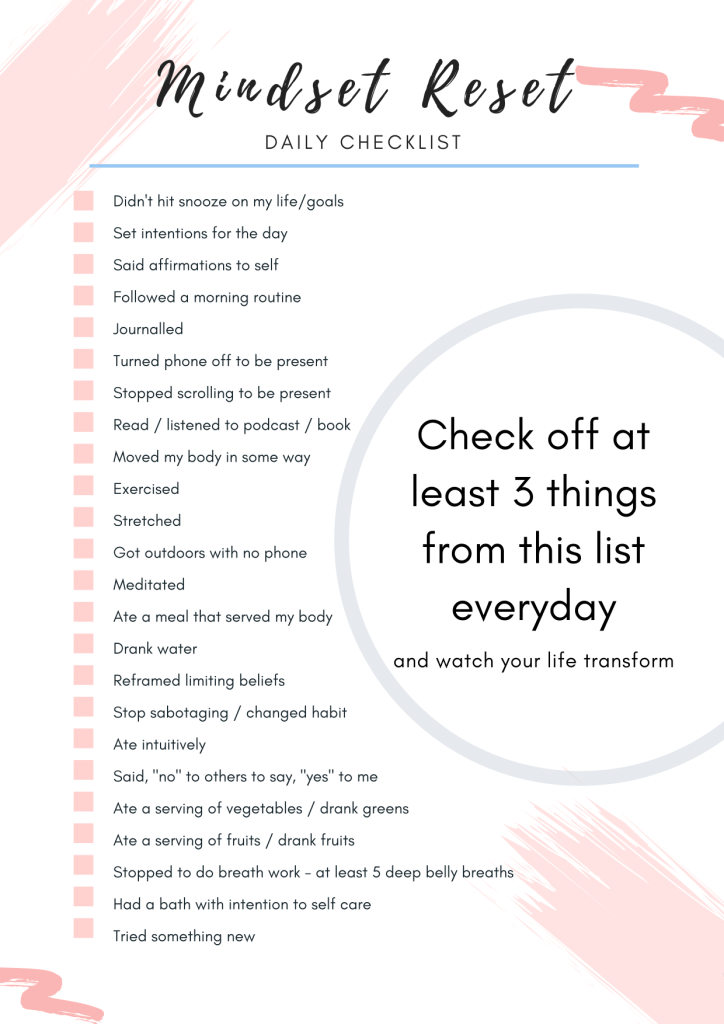
Sometimes we need to reset and reevaluate where our ‘say do’ ratio scale is in terms of consistent vs inconsistent; successful or unsuccessful, close or far away from our goals. A mindset reset can help us improve our ratio as it gives us a better look at choices that can directly impact how well we’re doing what we said we wanted to do. Here’s a look at a daily checklist we can use to get us started and in the routine of doing what we say:
When it comes to leadership, taking the friend, family, or selfless approach (servant leadership) worked for me as I genuinely saw them as such. And whether they saw me as a brother, father figure, friend or colleague, I made it a point to not be viewed as just a manager that they’re supposed to listen to. This approach may not work for every employee, leader, or every market as some may respond better to a more authoritative approach, especially dealing with corrective action or reprimand.
However, keeping our word and going the extra mile (regardless of inconvenience) can help build healthy working relationships that not only yield results, but empowers employees to reach their full potential while they’re under our leadership. Improving our say-do ratio is predicated on our consistent effort to keep our word or do what we set out to do, one step, and day at a time. Let’s continue to tip the scale towards consistency and KEEP MOVING TOWARDS OUR GOALS!


 Not Your Average Boss